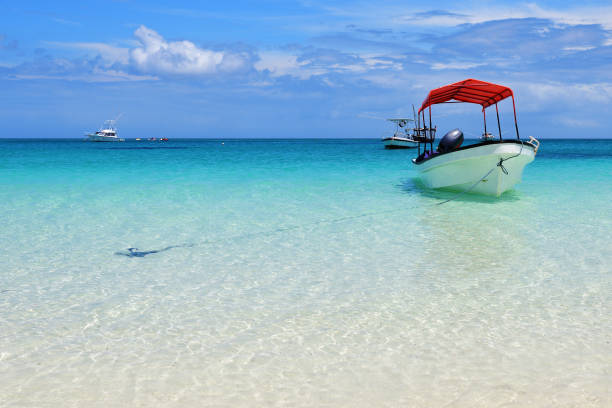
Prison Island—also known as Changuu Island or Quarantine Island—lies about 5.6 km northwest of Stone Town, Zanzibar. Originally uninhabited until the mid-1860s, it was purchased by Sultan Majid bin Said and handed over to Arab slave traders to detain rebellious slaves en route to the Stone Town slave market In 1893, British First Minister Lloyd Mathews bought the island and built a prison complex completed in 1894—but it never housed criminals. Instead, it was swiftly converted into a quarantine station to isolate individuals during yellow fever, cholera, and plague outbreaks, serving as a key health safeguard for East Africa.
As maritime traffic dwindled during much of the year, the island doubled as a leisure retreat, with boarding bungalows, swimming pits carved from old coral quarries, and rainwater catchments for fresh supply. In 1919, it received four Aldabra giant tortoises from the Seychelles governor—numbers swelled to over 200 by the 1950s, then declined due to poaching until government-led conservation in the 1990s helped the population recover.
Today, Prison Island is a government-owned tourist resort, offering visitors the chance to stroll among the revitalized prison ruins, feed ancient tortoises (some nearly 200 years old), snorkel in coral-rich waters, sunbathe on serene beaches, and enjoy the tranquil natural scenery. The transformation from a dark chapter of slavery and disease to a refuge of wildlife and recreation makes it a compelling symbol of Zanzibar’s layered past.

 bamsa
September 6, 2016
bamsa
September 6, 2016